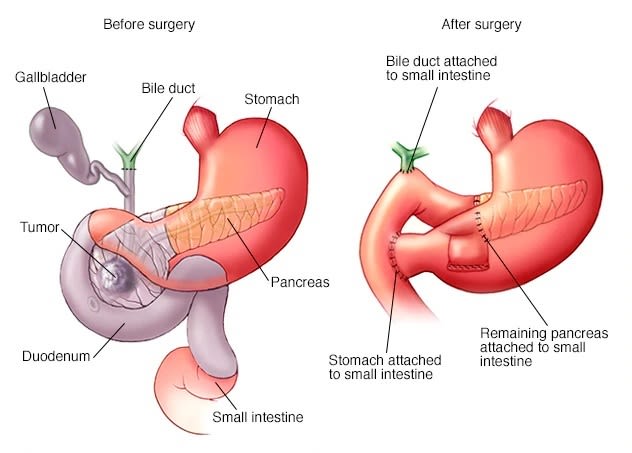

A general surgeon is a physician who has been educated and trained in the diagnosis and preoperative, operative, and postoperative management of patient care. Surgery requires knowledge of anatomy, emergency and intensive care, immunology, metabolism, nutrition, pathology, physiology, shock and resuscitation, and wound healing.
The general surgeon is trained to provide surgical care for the whole patient. This includes making a diagnosis; preoperative, operative and postoperative management of the patient; and the surgical treatment of the:
It includes head and neck surgery, pediatric surgery, surgical critical care, surgical oncology, trauma and burns, transplants and vascular surgery.
The exact profile of a general surgeon’s practice may vary depending on whether the practice is in an academic centre, an urban community or a more rural centre. In rural practice, some surgeons may do gynecologic, urologic, orthopedic and ENT surgeries. In some academic centres, a general surgeon might limit his/her practice to one subspecialty.

There are many types of weight-loss surgery, ...
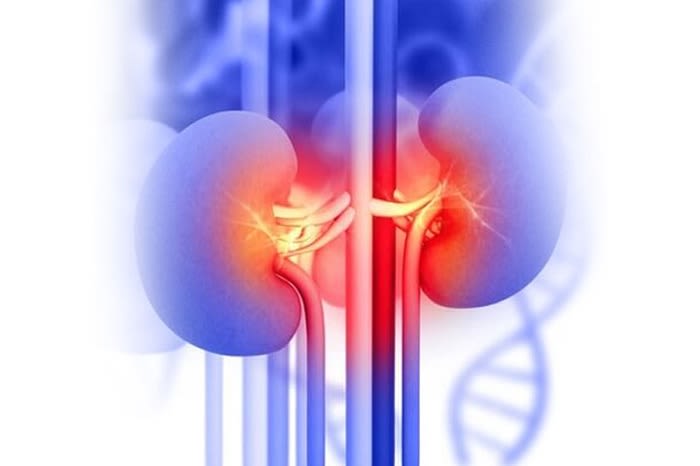
Urology is a part of health care ...

Gastroenterology deals with study of normal functioning, ...

Some people with diabetes also have lower ...